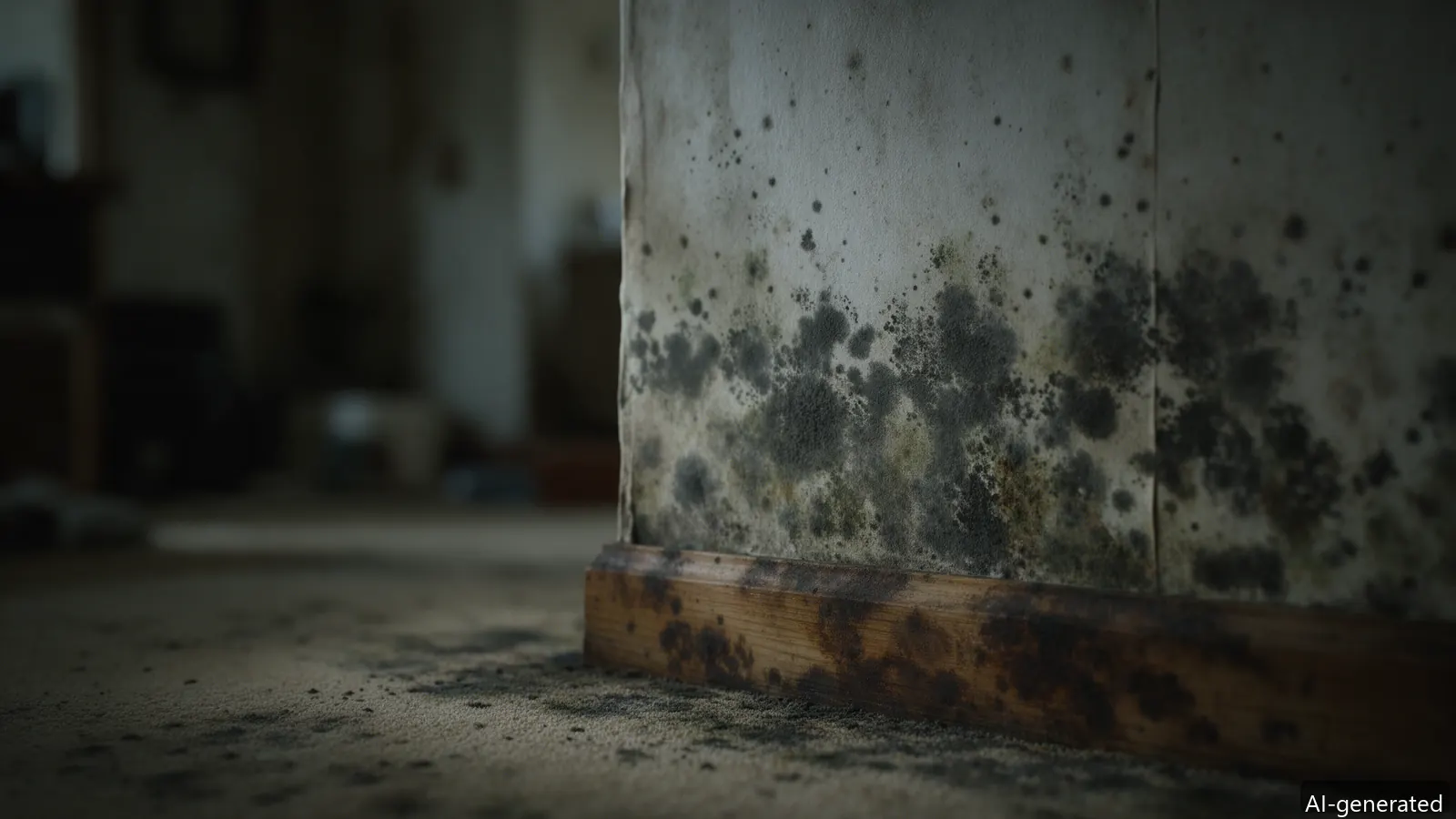
Three factors stack: fieldstone and block walls that wick ground moisture; 44 inches of annual rain keeping soil wet much of the year (NOAA 1991–2020); and organic finishes — framing, drywall, stored goods — against those walls. EPA’s rule: mold needs moisture. The basement provides it year-round.
National 2026 data puts basement remediation at $500–$3,000 (Angi / HomeAdvisor), scaling with affected area ($10–$25/sq ft) and containment level. Whole-basement projects after flooding run higher.
Five S520 steps from inspection to clearance.
The full remediation process →Most Gettysburg jobs run between $1,223 and $3,757, with a national average near $2,368 (Angi / HomeAdvisor 2026 cost data). Small bathroom jobs land at $500–$1,000; whole-house projects after a flood reach $10,000–$30,000. Work is typically priced at $10–$25 per square foot of affected area. A written quote after an on-site visit is the only reliable number.
Often yes when the mold follows a sudden, covered event like a burst pipe, with coverage limits and exclusions that vary by policy. Long-term humidity, seepage or deferred maintenance is usually excluded. Get a documented moisture source, photos and a written scope before filing.
EPA guidance: dry water-damaged materials within 24–48 hours and in most cases mold will not grow. Once established, colonies keep producing spores until the moisture source is fixed — cleanup without fixing the water means the problem returns.
The IICRC S520-2024 standard does not rank risk by color or species. Response is driven by quantity and location of growth, not by color. Any substantial indoor growth warrants professional evaluation; "black mold" is a moisture indicator like any other colony.