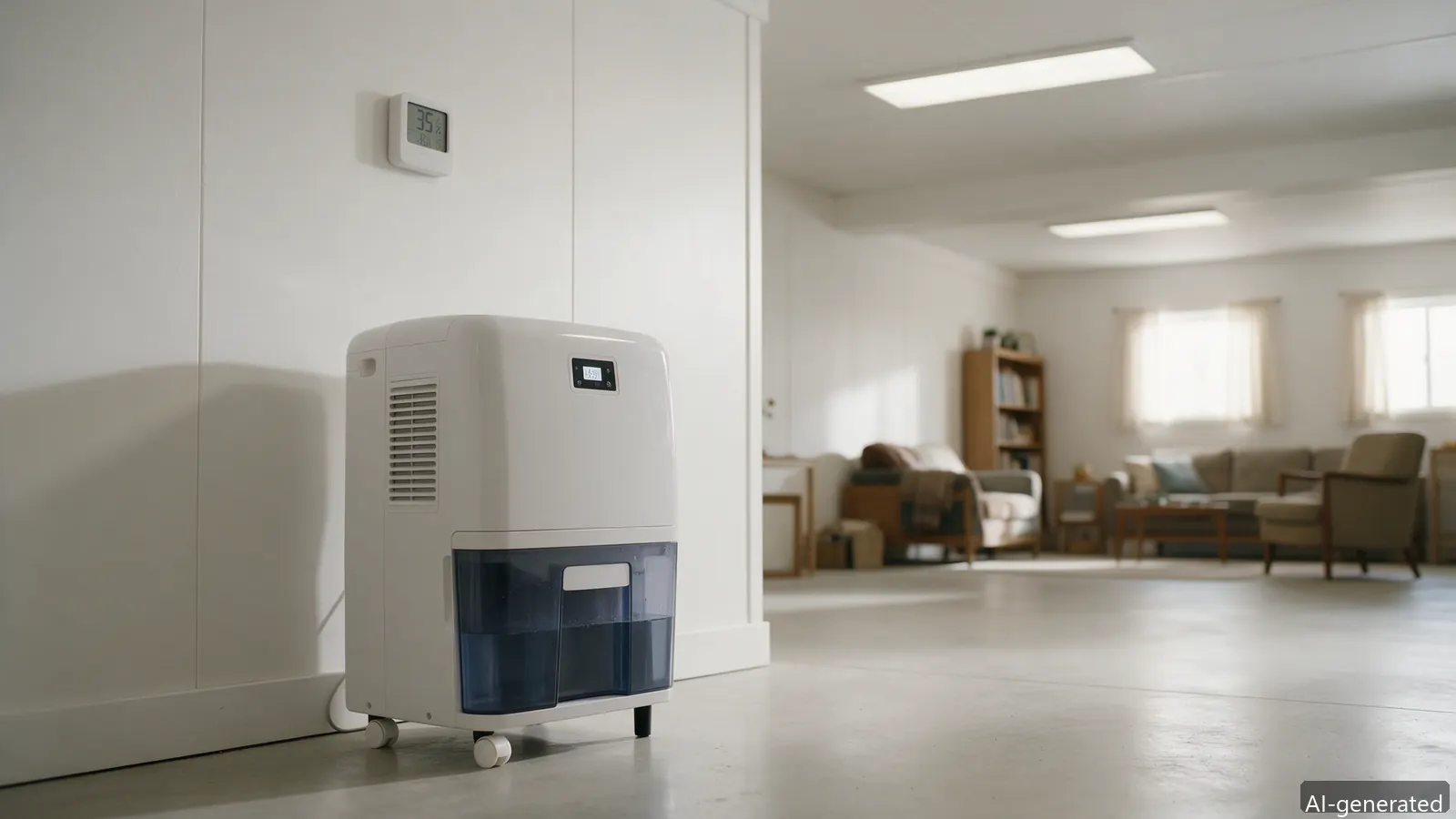
Gettysburg’s mold calls spike in a season most homeowners don’t associate with moisture: heating season. From November through March, warm indoor air carries water vapor to cold surfaces — single-pane window glass, exterior wall corners, closets against north walls, attic sheathing above bathrooms. Condensation forms nightly; colonies follow within weeks on painted wood and dust films.
Most of Adams County’s owner-occupied homes predate modern air-sealing (median build year 1978, PHFA 2023). Old single-pane windows and uninsulated wall corners run colder, and humidifiers cranked for winter comfort push indoor RH past what those surfaces can tolerate. EPA’s target — keep indoor relative humidity between 30 and 50% — is the whole prevention plan; a $10–$50 hygrometer confirms it.
The distinction matters for the remediation scope: condensation growth cleans off hard surfaces and rarely penetrates glass or kiln-dried framing. But growth on dust films inside exterior walls, or on sheathing fed by bath-fan moisture, follows the full S520 process with containment. Small surface colonies land in the $500–$1,000 range of the 2026 cost data; anything inside a wall assembly gets a written scope after inspection.
Humidity targets, ventilation, the habits that hold.
The prevention playbook →Always to the outdoors through the roof or wall — never into the attic. Attic-vented fans are the most common attic-mold cause we document in Adams County housing.
Single-pane glass runs below the dew point most winter nights. Condensation sits in the sash and on the painted sill — clean it, run the RH down to the EPA band, and air the room; if colonies keep returning, the window or the ventilation needs work.
Usually not — gradual humidity and condensation fall under maintenance, unlike mold after a sudden covered event. The cost page covers the insurance basics.
In most cases yes from May through September: 44 inches of annual rain (NOAA 1991–2020, Eisenhower NHS station) plus fieldstone foundations keeps basement RH above 60% without one.
EPA guidance: make sure the ground slopes away from the foundation so water does not collect around it. Two to three inches of drop per foot for the first several feet is the practical benchmark.
The IICRC S520-2024 standard does not rank risk by color or species. Response is driven by quantity and location of growth, not by color. Any substantial indoor growth warrants professional evaluation; "black mold" is a moisture indicator like any other colony.
For small, contained jobs, usually yes. For Level III/IV containment with negative air machines and demo, contractors often recommend temporary relocation, especially with infants, elderly or immune-compromised occupants. Ask for the containment plan in writing.